

Protein has become one of the most talked-about nutrients in healthy eating—and for good reason.
Whether your goal is to maintain muscle, stay active, manage your weight, recover after exercise, or simply follow a balanced diet, getting adequate protein from good-quality foods is an important part of everyday nutrition.
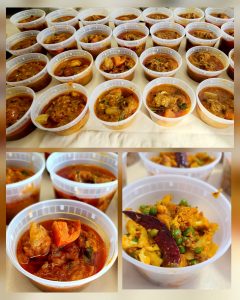
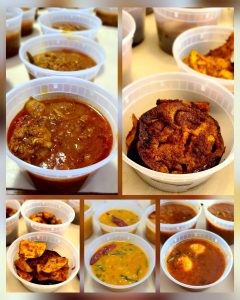
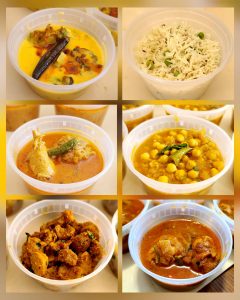
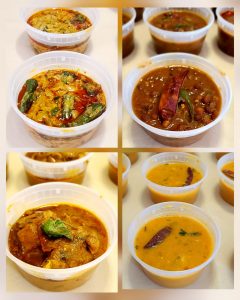
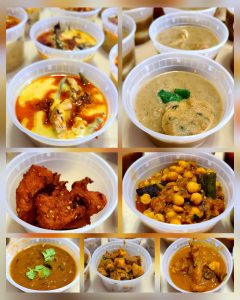
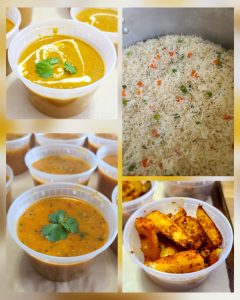
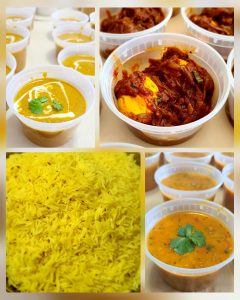
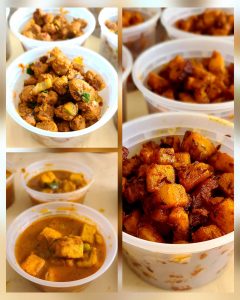
At India’s Flavour, we believe healthy eating doesn't have to mean giving up the comfort and flavours of homestyle Indian food. Traditional Indian cuisine offers plenty of protein-rich vegetarian and non-vegetarian foods, from dals, chickpeas and paneer to chicken, fish and eggs.
So, what exactly is protein, why does your body need it, and which foods provide the most?
What Is Protein and Why Is It Important?
Protein is one of the three major macronutrients, along with carbohydrates and fats. It is made up of amino acids, which the body uses throughout muscles, bones, skin and other tissues. Nine amino acids are considered essential because our bodies cannot make them and therefore need to obtain them through food. The Nutrition Source
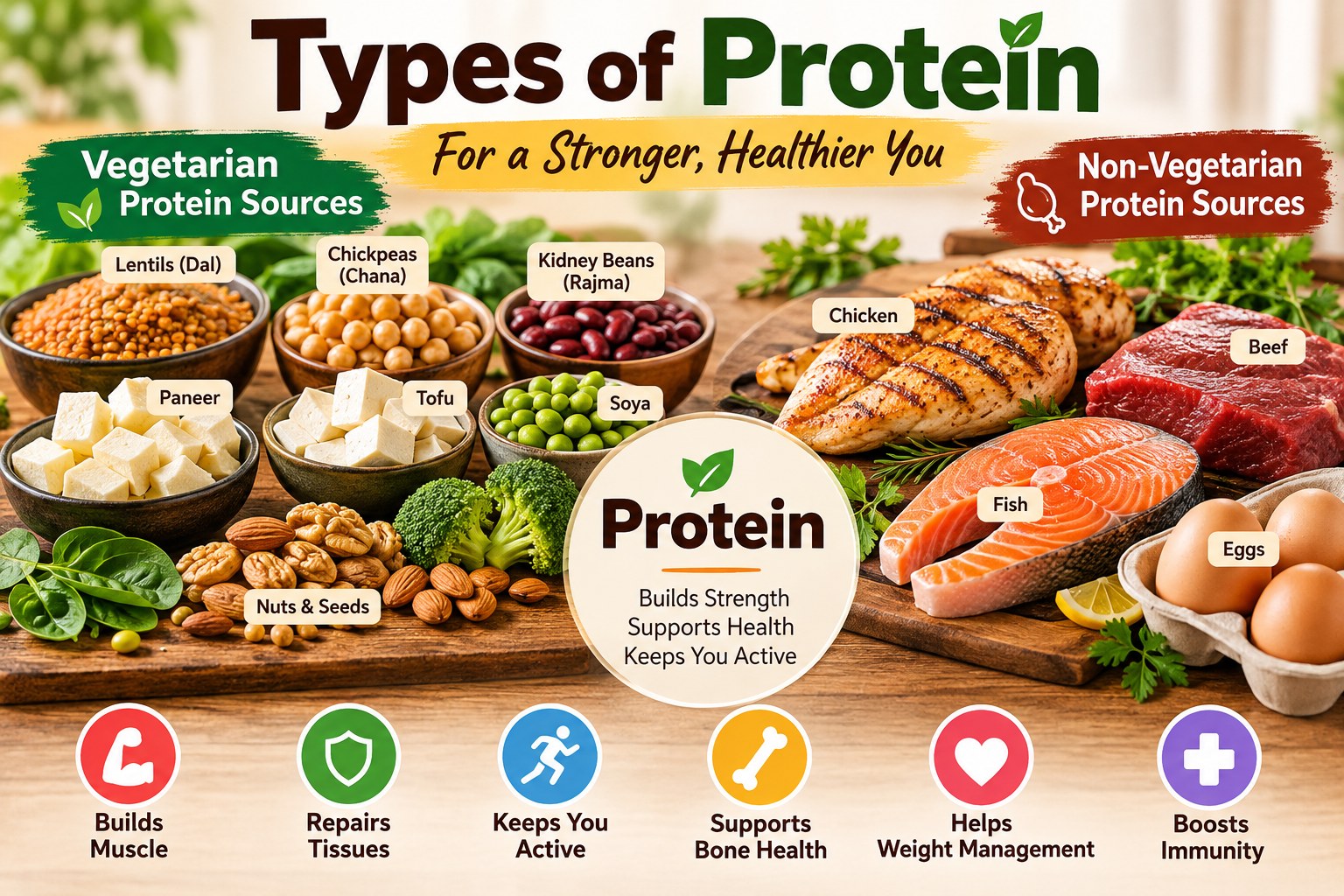
Getting enough protein supports several important functions in the body, including:
- Building and maintaining muscle
- Repairing body tissues
- Supporting bone health
- Supporting normal immune function
- Producing enzymes and hormones
- Helping maintain strength as we age
- Increasing satiety and helping us feel fuller for longer
Protein can also be particularly valuable when trying to lose weight because protein-rich foods tend to promote fullness and adequate protein can help preserve lean muscle during weight loss. The Nutrition Source
How Much Protein Is in Different Foods?
Here's an easy comparison of some popular vegetarian and non-vegetarian protein sources.
The numbers below are approximate. Protein content can vary considerably depending on the cut, brand, moisture content and whether the food is weighed raw or cooked. For foods normally eaten cooked, a one-pound cooked-food comparison is more meaningful.
| Protein Source | Type | Approx. Protein per Pound |
|---|---|---|
| Chicken breast, cooked | Non-Veg | ~135–140 g |
| Chicken thigh, cooked | Non-Veg | ~110–125 g |
| Lean beef, cooked | Non-Veg | ~115–130 g |
| Fish, cooked | Non-Veg | ~100–130 g |
| Eggs | Non-Veg | ~55–60 g |
| Paneer | Vegetarian | ~80–95 g |
| Tofu, firm | Vegan | ~65–80 g |
| Lentils/Dal, cooked | Vegan | ~40 g |
| Chickpeas/Chana, cooked | Vegan | ~40 g |
| Kidney Beans/Rajma, cooked | Vegan | ~35–40 g |
As a useful reference point, Harvard lists a 4-ounce serving of cooked chicken thigh at about 28 g of protein, cooked salmon at about 30 g, cooked sirloin at about 33 g, and one cup of cooked lentils at approximately 18 g. The Nutrition Source
Best Non-Vegetarian High-Protein Foods
For people who eat meat, poultry, seafood and eggs, there are many excellent sources of complete protein.
Chicken is one of the most popular high-protein foods because it provides a substantial amount of protein without carbohydrates. Chicken breast is particularly protein-dense, while chicken thighs provide protein along with somewhat more fat.
Fish provides high-quality protein, while fatty fish such as salmon also provide omega-3 fatty acids.
Eggs are another convenient source of complete protein and work particularly well as part of breakfast or a light meal.
Lean beef and other meats are rich in protein, but the overall nutritional package matters. Choosing leaner, minimally processed meats more often can help limit saturated fat and sodium. Harvard recommends emphasizing foods such as fish and poultry and limiting red and particularly processed meats. The Nutrition Source
Best Vegetarian High-Protein Indian Foods
One of the biggest misconceptions about protein is that you need meat to get enough of it.
Indian cuisine provides an incredible variety of vegetarian protein sources.
Dal and Lentils
Moong dal, masoor dal, toor dal, urad dal and other lentils are staples of Indian home cooking for good reason.
A cup of cooked lentils provides approximately 18 grams of protein, along with about 15 grams of fibre in Harvard's comparison. The Nutrition Source
That combination makes dal much more than simply a source of protein—it can contribute fibre and other nutrients to a balanced meal.
Chickpeas – Chana
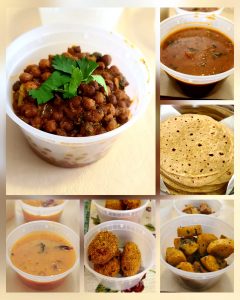
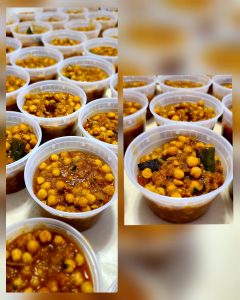
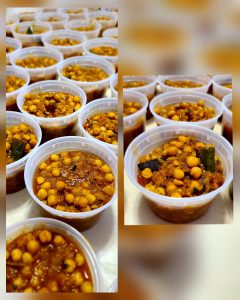
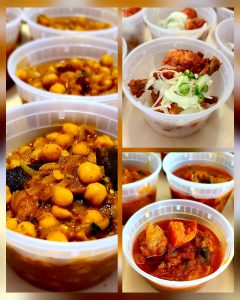
Chickpeas are another excellent plant-based protein source and can be enjoyed as chana masala, salads, chaats and other dishes.
They're particularly useful because they provide both protein and fibre, helping make meals satisfying.
Rajma and Other Beans
Kidney beans, black beans and other legumes are affordable, filling sources of plant protein.
Pairing legumes with a varied diet containing grains, vegetables, nuts, seeds and other protein foods helps provide the range of amino acids the body needs. You don't necessarily have to combine complementary plant proteins at every individual meal; variety across the day is what matters. Harvard Health
Paneer
Paneer is one of India's favourite vegetarian protein foods.
Because it is made from milk, paneer provides complete protein. However, depending on how it's made, it can also contain significant amounts of fat and calories, so portion size and cooking method matter.
A homestyle paneer tikka, palak paneer or lightly prepared paneer dish can be a delicious way to incorporate more protein into a vegetarian Indian diet.
Tofu and Soya
Soy is particularly interesting for vegetarians and vegans because soy protein contains all nine essential amino acids in adequate amounts. Tofu, soybeans and other soy foods can therefore be excellent additions to a plant-based diet. Harvard Health
Vegetarian Protein vs. Non-Vegetarian Protein: Which Is Better?
It doesn't have to be an either/or decision.
Animal foods such as chicken, fish, eggs and dairy generally provide complete proteins containing all nine essential amino acids.
Many individual plant foods contain lower amounts of one or more essential amino acids, although soy is an important exception. Eating a varied vegetarian diet containing lentils, beans, chickpeas, soy, nuts, seeds and whole grains can still provide all the essential amino acids your body needs. Harvard Health
Plant proteins also often come packaged with something meat doesn't provide: dietary fibre.
That's why the healthiest question isn't simply "Which food has the most protein?"
A better question is:
"What else am I getting along with that protein?"
A balanced diet should consider protein alongside fibre, healthy fats, carbohydrates, vitamins, minerals, sodium and overall calories.
How Much Protein Do You Need Every Day?
There isn't one number that is right for everybody.
For generally healthy adults, the standard Recommended Dietary Allowance is approximately 0.8 grams of protein per kilogram of body weight per day. That works out to roughly 50 grams per day for a 140-pound person and around 70 grams for someone weighing 200 pounds. The Nutrition Source
Individual requirements can be different depending on age, body size, activity level, strength training, health conditions and goals.
People who exercise heavily or are trying to maintain or build muscle may require more. Rather than assuming that "more protein is always better," individual needs should be considered in the context of the whole diet. The Nutrition Source
Protein and Healthy Indian Eating
A healthy Indian meal doesn't have to be complicated.
Think of your plate as a combination of protein + vegetables + fibre-rich carbohydrates + healthy fats.
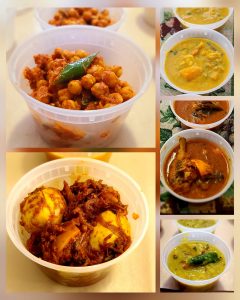
That might mean dal with vegetables and whole-wheat roti; chana with vegetables; paneer with sabzi and roti; grilled chicken with vegetables; or fish accompanied by vegetables and a sensible portion of carbohydrates.
And protein doesn't have to come from powders and supplements. For most healthy people, everyday foods can provide plenty of protein. Harvard Health
Homestyle Indian Food Can Be Protein-Rich Too
At India's Flavour, our philosophy has always been simple: everyday Indian food should taste like food cooked at home while fitting naturally into a balanced lifestyle.
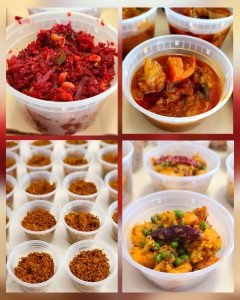
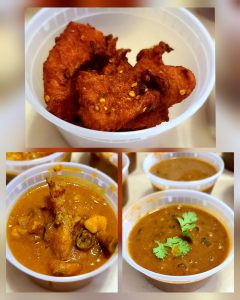
Whether you prefer vegetarian protein sources such as dal, chana, rajma, paneer and soya, or non-vegetarian protein sources such as chicken and other meats, protein can be incorporated into delicious everyday Indian meals without turning food into a complicated nutrition calculation.
Because healthy eating isn't about chasing one nutrient.
It's about balance, variety, sensible portions—and food you genuinely enjoy eating every day.