
































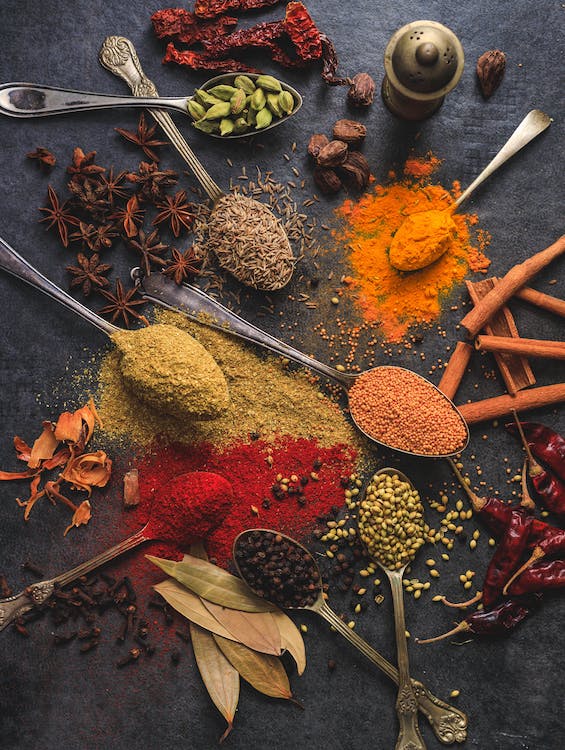
Indian cuisine is celebrated worldwide for its rich flavors, diverse ingredients, and aromatic spices. Beyond the mouthwatering taste and culinary delight it offers, Indian food also boasts a myriad of health benefits. From turmeric to cinnamon, cumin to cardamom, the spices used in Indian cooking have been cherished for their medicinal properties for centuries. In this article, we'll delve into the health benefits of eating Indian food with spices, showcasing how these flavorful ingredients can contribute to your overall well-being.
Antioxidant Richness
Indian spices are packed with antioxidants that help protect the body's cells from damage caused by free radicals. Turmeric, for instance, contains curcumin, a powerful antioxidant known for its anti-inflammatory properties. It's been linked to reducing the risk of chronic diseases such as cancer, heart disease, and Alzheimer's.
Improved Digestion
Spices like cumin, coriander, and fennel are commonly used in Indian cuisine to aid digestion. They can alleviate indigestion, bloating, and gas. Additionally, spices such as ginger and cardamom can help with nausea and soothe an upset stomach.
Weight Management
Indian cuisine often incorporates spices like chili peppers, which contain capsaicin. Capsaicin has been shown to boost metabolism, helping to burn calories more efficiently and potentially aiding in weight management.
Blood Sugar Control
Fenugreek, a spice frequently used in Indian cooking, has been shown to help regulate blood sugar levels. It contains soluble fiber, which can slow down the absorption of sugar in the bloodstream and improve insulin sensitivity.
Heart Health
Many Indian spices, like cinnamon and cardamom, have heart-protective properties. Cinnamon, for instance, may help lower blood pressure and reduce the risk of heart disease. Cardamom has been linked to improved cholesterol levels.
Anti-Inflammatory Benefits
Chronic inflammation is a common denominator in various chronic diseases. Turmeric, ginger, and garlic, all staples in Indian cuisine, have potent anti-inflammatory properties that can help reduce inflammation and alleviate symptoms associated with conditions like arthritis.
Enhanced Immunity
The array of spices used in Indian cooking can boost your immune system. Garlic, for example, contains allicin, which has antimicrobial properties and can help your body fight off infections. Additionally, the combination of spices often used in Indian dishes can provide a synergistic effect, enhancing the immune-boosting benefits.
Cognitive Health
Turmeric, once again, steals the spotlight with its potential to protect brain health. Curcumin, found in turmeric, has been studied for its ability to reduce the risk of neurodegenerative diseases like Alzheimer's and may improve cognitive function.
Respiratory Health
Spices like black pepper and cloves have been used in traditional Indian remedies to alleviate respiratory issues. They can help with coughs, congestion, and asthma symptoms due to their anti-inflammatory and antimicrobial properties.
Stress Reduction
Certain Indian spices, like saffron, are known for their mood-enhancing properties. Saffron may help reduce symptoms of anxiety and depression, promoting mental well-being.
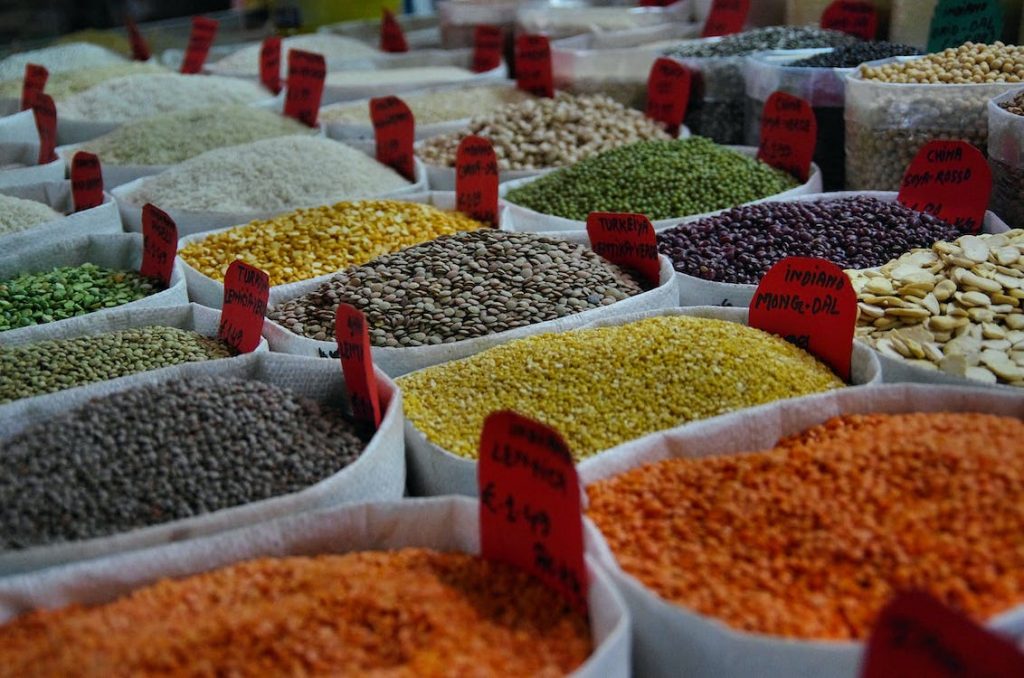
Indian cuisine's vibrant array of spices not only adds an explosion of flavor to your meals but also contributes to your overall health and well-being. From their antioxidant-rich nature to their anti-inflammatory and digestive benefits, these spices have been used for centuries in traditional Indian medicine for good reason. So, why not incorporate more Indian dishes into your diet to savor the delicious flavors while reaping the incredible health benefits? Your taste buds and your body will thank you!